What Doing Nothing Taught Me Everything
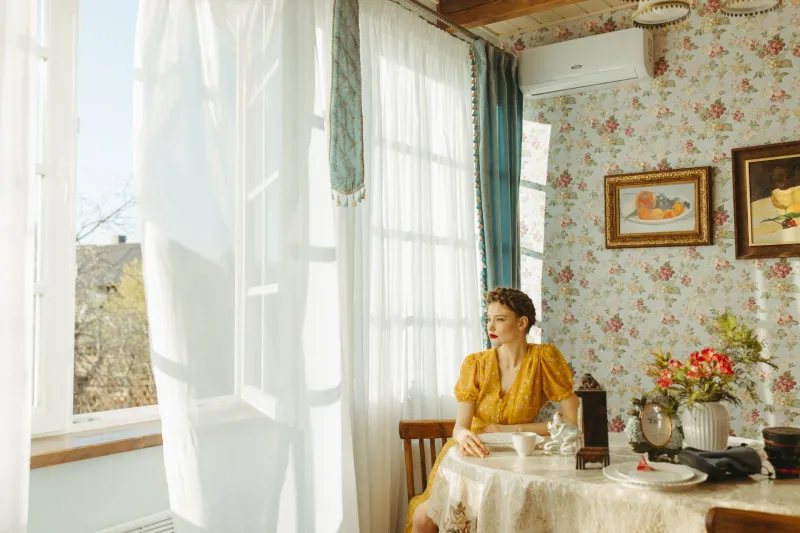
There's a specific kind of anxiety that kicks in when your schedule clears unexpectedly. A canceled plan, a slow afternoon, a Sunday with no agenda — and suddenly your brain starts firing off a list of things you should be doing. Clean the kitchen. Reply to that email. Start the course you bought six months ago. Scroll through something, anything, to fill the silence.
I know that feeling intimately. For years, I was allergic to blank space. If a moment wasn't productive, it felt wasteful. If I wasn't learning, creating, or at least consuming something enriching, I figured I was falling behind. Behind what, exactly? I couldn't tell you. But the pressure was real.
Then I accidentally stumbled into boredom — and it kind of changed my life.
The Day I Just Sat There
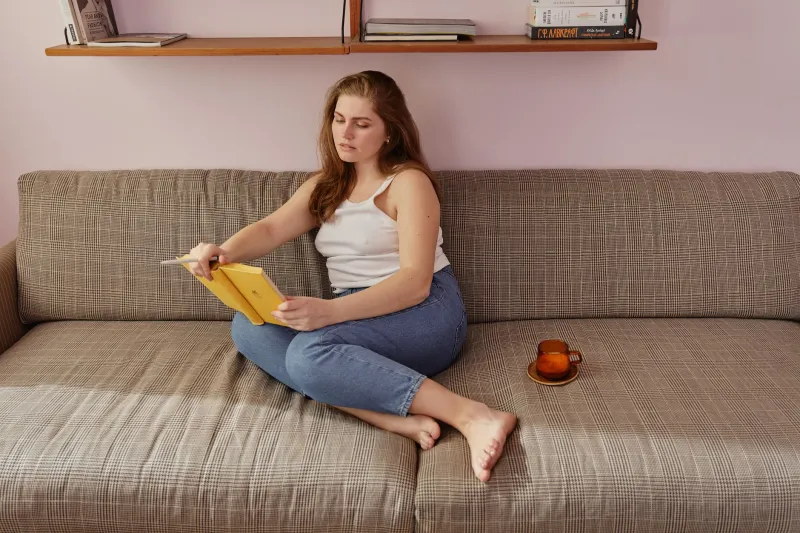
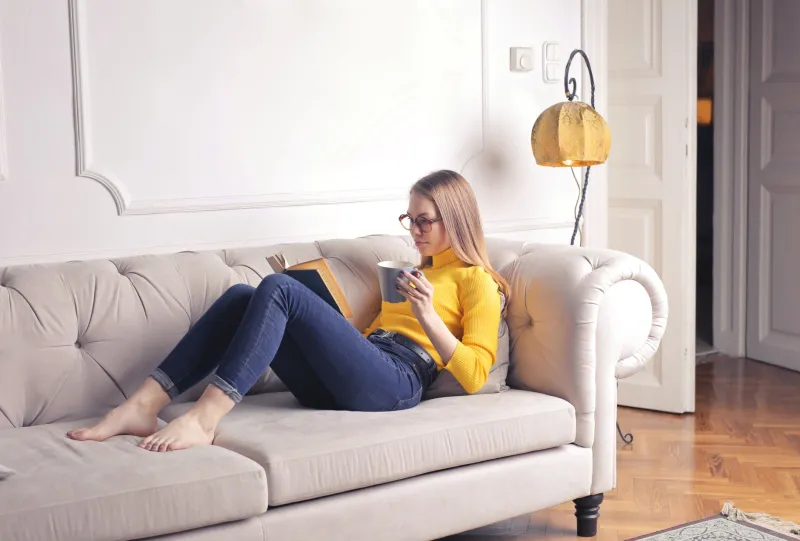
It started on a Saturday last spring. My plans fell through, my phone was at 4% and my charger was in another room, and I was sitting on my couch with literally nothing queued up. I waited for the anxiety to hit. It did, briefly. And then — nothing. I just sat there. I watched the light move across my apartment floor for probably twenty minutes.
And somewhere in that stillness, I had the clearest, most original thought I'd had in months. Not about productivity. Not about goals. Just a genuine, unexpected idea that felt entirely mine.
That's when I started to wonder: what had I been drowning out?
We've Pathologized Rest
Here's the thing about American hustle culture — it's sold us a lie so thoroughly that we've internalized it as personal virtue. Being busy feels like being valuable. Filling every hour feels responsible. And boredom? Boredom is practically treated like a character flaw.
But psychologists and neuroscientists have been waving their hands about this for years. When your brain isn't actively processing external input, it shifts into what researchers call the default mode network — basically the mental space where you consolidate memories, process emotions, and generate creative connections. It's not idle. It's doing some of its most important work.
The problem is we've become so skilled at interrupting that process. Got thirty seconds? There's a notification for that. Waiting in line? There's a reel for that. We've essentially outsourced our inner life to our devices, and we're wondering why we feel creatively depleted and emotionally foggy.
What Boredom Actually Gives You
When I started deliberately building unstructured time into my weeks — no podcast, no scroll, no background TV — a few things happened that I didn't expect.
I started having opinions again. Not the kind shaped by whatever I'd just read or watched, but actual, original takes on my own life. What I wanted. What bothered me. What I genuinely found beautiful or interesting.
My creativity came back online. Some of my best ideas for this site have come not from brainstorming sessions but from long walks with my phone in my bag, or from lying on my bed staring at the ceiling like a teenager with no wifi.
I got more comfortable with discomfort. Boredom is a mild form of discomfort, and practicing tolerance for it has made me less reactive overall. I'm less likely to reach for a distraction when something emotionally hard comes up. I've built a small but real capacity to just... be with myself.
Practical Ways to Reclaim the Blank
I'm not suggesting you give up your podcasts or delete your apps. That's not the point. The point is creating intentional pockets of nothing — and actually protecting them.
Start with ten minutes. Sit somewhere without your phone. Don't journal, don't meditate with a guided track, don't do anything structured. Just exist. It will feel uncomfortable. That's the whole point.
Walk without a soundtrack. Leave the earbuds at home for even one walk a week. Notice what your brain does when it's not being fed content. You might be surprised what surfaces.
Let yourself be bored in line. The grocery store checkout, the waiting room, the elevator — these are tiny invitations to just be a person in a moment. Take them.
Protect one morning or evening a week. No plans, no agenda, no optimized self-care routine. Just open time. See what you naturally gravitate toward. That pull tells you something.
The Curated Life Includes Empty Space
I've talked a lot on this site about curation — about being intentional with your time, your wardrobe, your relationships, your creative energy. But curation doesn't mean filling every frame. A well-designed room has negative space. A well-lived life does too.
The blank moments aren't failures of planning. They're the breathing room that makes everything else feel deliberate rather than frantic.
So the next time your afternoon opens up unexpectedly? Try not to fix it. Let yourself be a little bored. See what shows up.
I think you'll find that what feels like emptiness is actually just space — and space, it turns out, is one of the most luxurious things you can give yourself.