Your Favorite Corner of the House Already Knows Who You Are
The Honest Architecture of a Life
There's a corner in my apartment that I've never technically decorated. No Pinterest board was consulted. No throw pillow was purchased with intention. And yet, it's the most me place in my entire home.
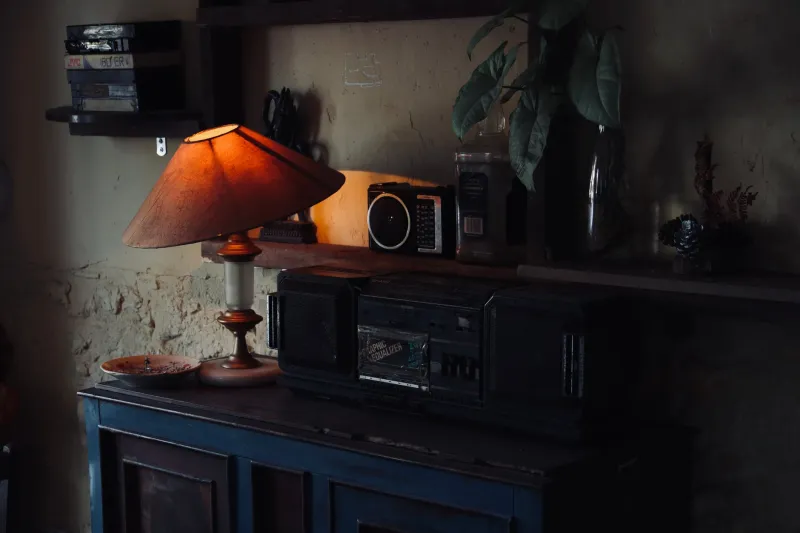
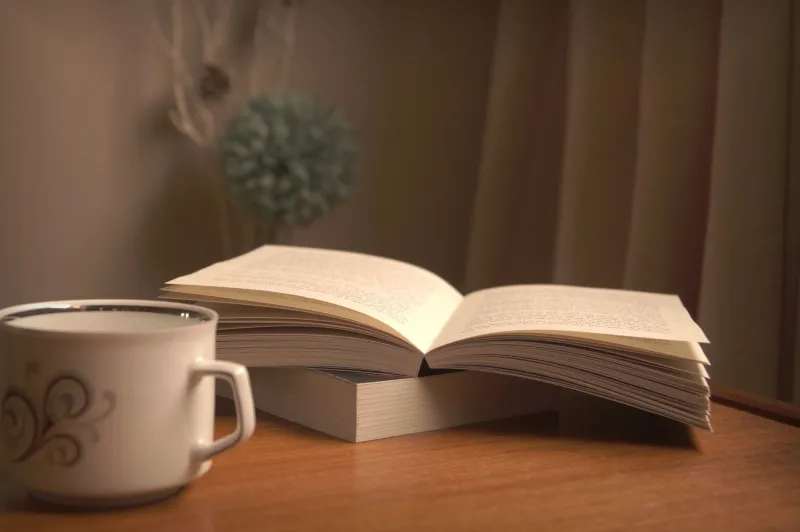
It's the small ledge next to my reading chair — a little wooden shelf I originally put there for a plant that died almost immediately. Now it holds a half-burned candle, a library book I keep renewing, a tube of hand cream, and a folded piece of paper with a quote I wrote down somewhere and never threw away. Nobody else would understand this shelf. But I would be lost without it.
That's the thing about our habitual spaces. They don't ask for our input. They just form — quietly, honestly — around what we actually need versus what we think we should want. And if you're willing to pay attention, they'll hand you a pretty accurate map of yourself.
What Your Morning Ritual Is Really Saying
Take your coffee setup. Or your tea corner. Or whatever morning ritual you've constructed without really meaning to.
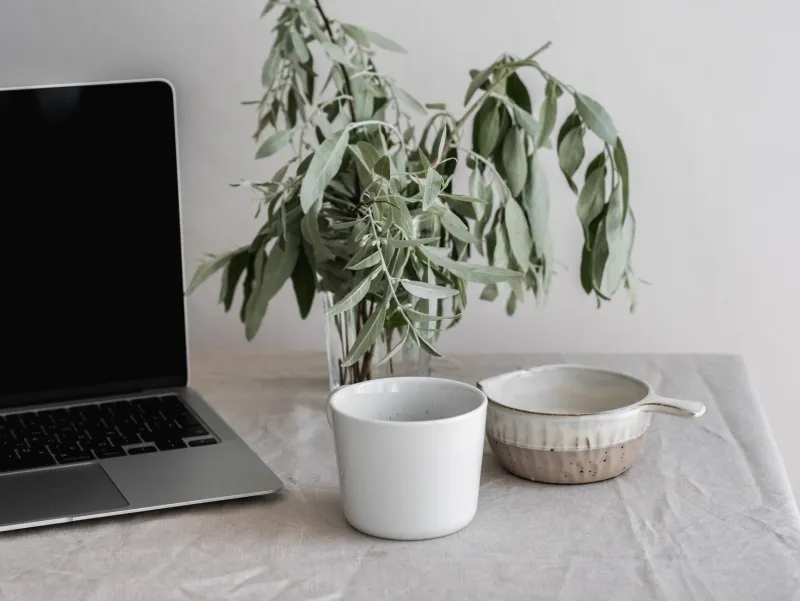
Mine has evolved into something I genuinely look forward to — a French press, a specific mug that I'd be unreasonably upset to break, a small dish where I keep a few squares of dark chocolate that I tell myself are for baking. The whole thing takes maybe ten minutes, and I've never once rushed it.
For a long time I thought this was just a caffeine habit. But it's not, is it? It's a signal. It says: I need a slow entry into the day. I need something that belongs entirely to me before I belong to anything else. That ten-minute ritual is a priority I never consciously chose but clearly refuse to give up.
The spaces we return to every single day without being told to — those are the places worth studying. They're where your real values live, not the ones you post about, but the ones you quietly protect.
The Drawer That Tells the Truth
Almost everyone has one. The drawer — or the box, or the tote bag shoved under the bed — where the truly personal things end up. Concert ticket stubs. A card from someone you still think about. A piece of jewelry you don't wear but can't donate. A photo you printed out in the days when we still did that.
Psychologists who study what's called autobiographical memory talk about how physical objects serve as anchors for identity. We don't just keep things because they're useful. We keep them because they remind us of who we were, who we loved, what mattered. Your junk drawer isn't junk. It's a curated archive of your emotional history, and the fact that you've moved it through three apartments says something.
Look at what's in yours. Not with judgment — just curiosity. What era of your life shows up most? What do the objects have in common? Are they about people, or experiences, or a version of yourself you're quietly holding onto?
I went through mine last spring and found three things from the same period in my mid-twenties — a period I'd mostly written off as chaotic and directionless. But apparently some part of me wants to remember it. That felt worth sitting with.
The Nook You Didn't Know You Needed
Here's something I've noticed: the spaces in our homes that we actually use rarely match the spaces we designed to be used.
The formal living room sits pristine. But the weird little nook between the bookshelf and the window? That's where you end up every Saturday afternoon with your book and your second cup of coffee. The home office you set up with the ergonomic chair? You do your best thinking at the kitchen table.
This isn't a design failure. It's information.
The places your body gravitates toward — especially when you're not thinking about it — are the places that are already serving your nervous system well. Good light. A sense of enclosure. Distance from the front door and its implied obligations. Your instincts have been quietly doing interior design this whole time.
Environmental psychologists call this affordance — the way a space either invites or discourages certain behaviors. But you don't need the vocabulary to feel it. You just need to notice where you keep ending up and ask yourself why that spot, and what it's giving you that the other spots aren't.
Designing Toward What's Already True
Once you start reading your habitual spaces this way, something shifts. You stop trying to impose an aesthetic onto your life and start designing toward what's already working.
For me, that meant accepting that I am, apparently, a person who needs multiple small cozy zones rather than one open, airy living space. It meant building a better version of that coffee ledge instead of pretending I was ever going to use the kitchen island like a normal person. It meant putting a lamp and a small table next to the chair I actually sit in, instead of leaving them next to the chair that photographs better.
None of this is groundbreaking interior design. But it's honest. And honesty, in your own home, is underrated.
The small corners of your life aren't waiting for you to get your act together and finally decorate them properly. They already know what you need. They've been building themselves around you this whole time.
All you have to do is look.
A Small Practice Worth Trying
This week, before you rearrange anything or add anything to cart, just walk through your home slowly. Notice the spots that feel worn in — not worn down, but worn in, like a favorite jacket. Notice what's gathered there without being placed. Notice where you actually sit, actually pause, actually breathe.
Then ask: what does this tell me about what I need? What am I unconsciously protecting in my day?
Your home has been keeping notes on you for years. It might be time to read them.